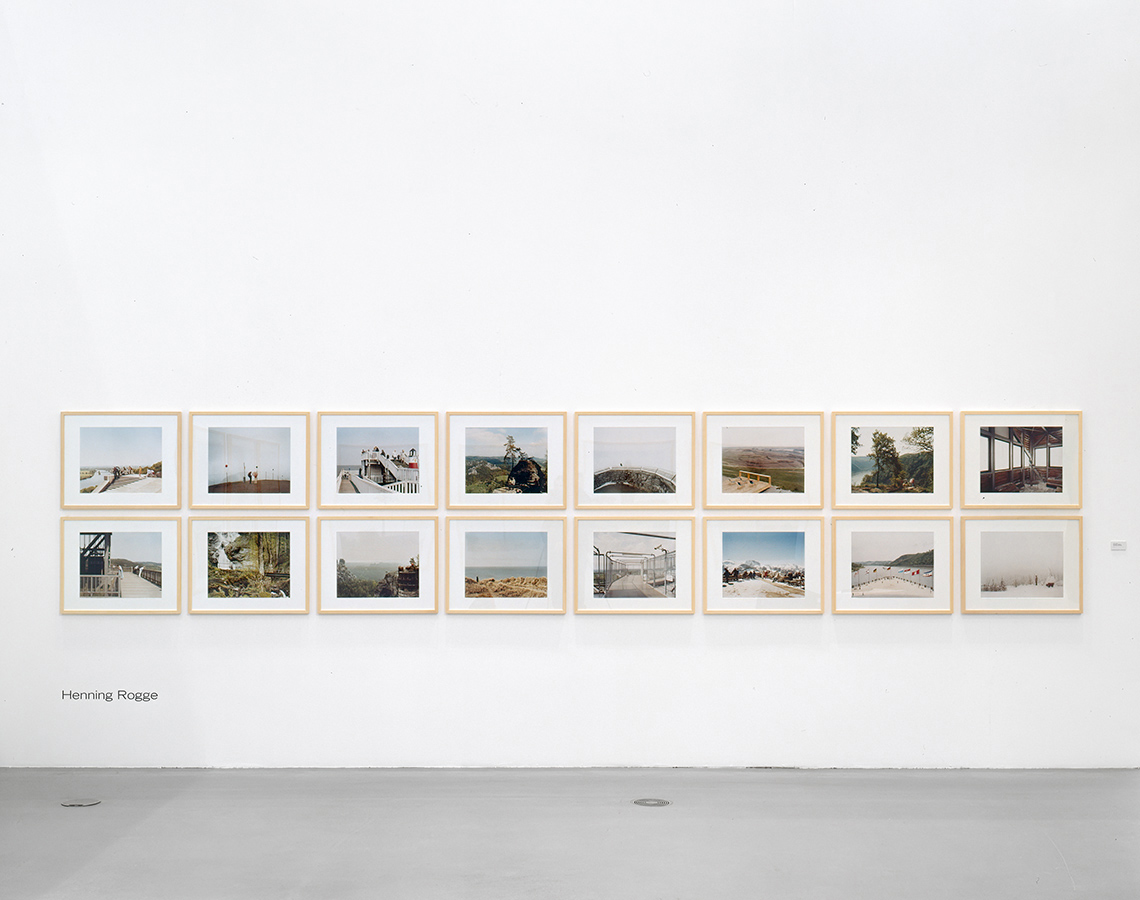
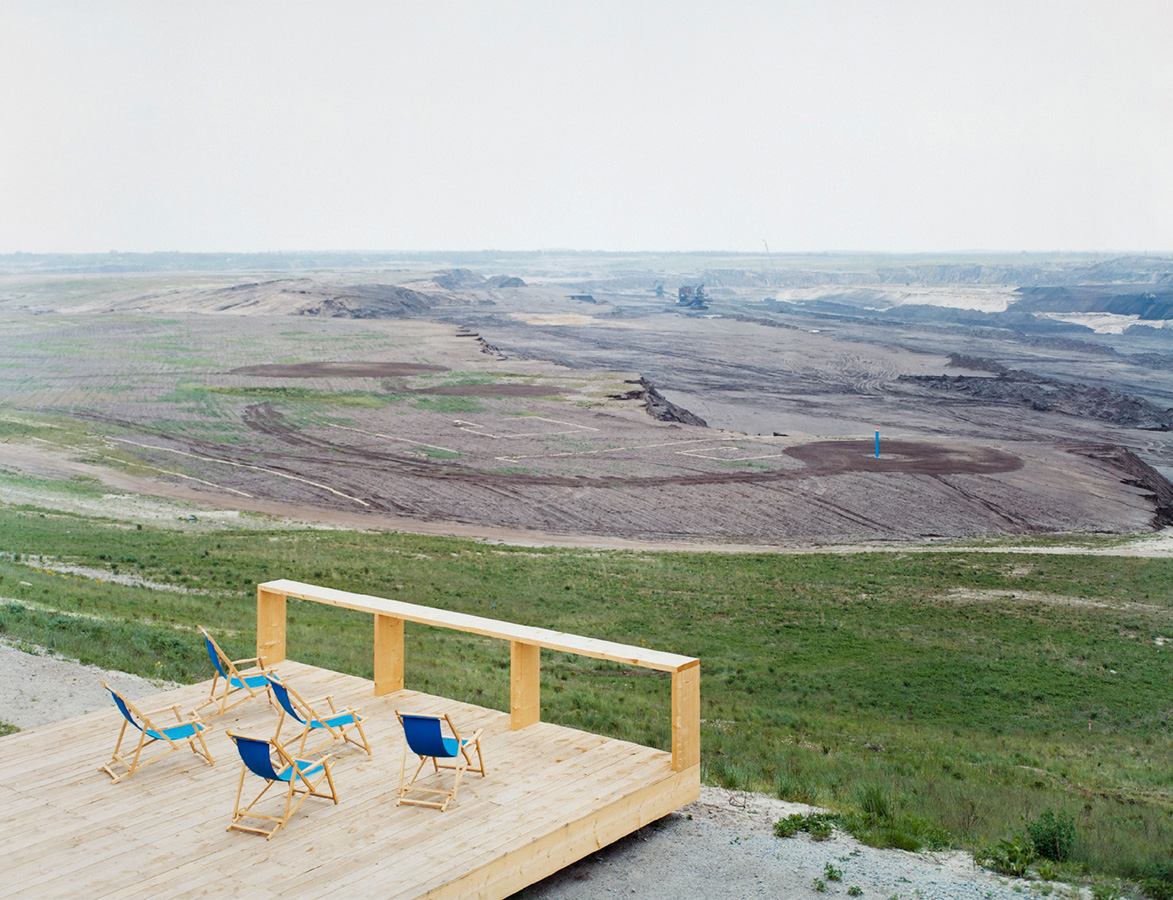
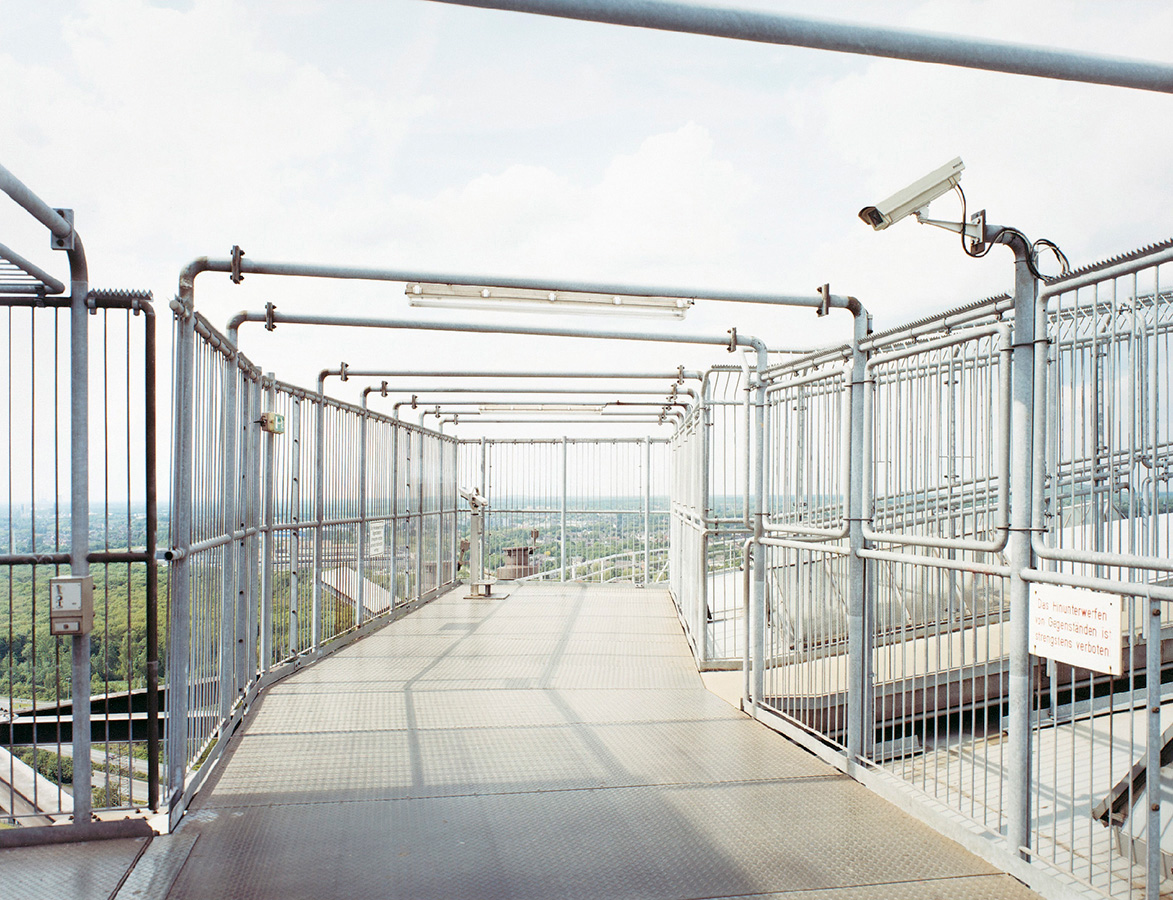
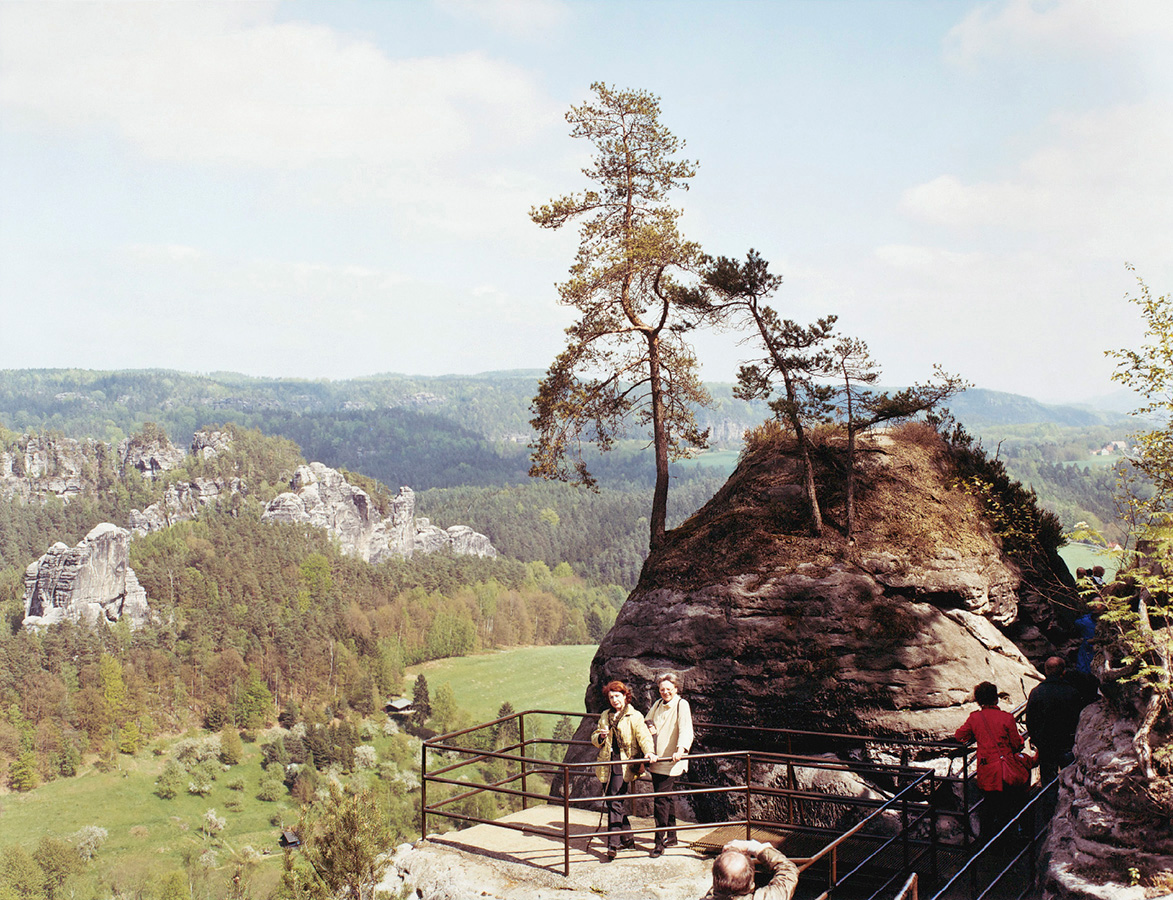
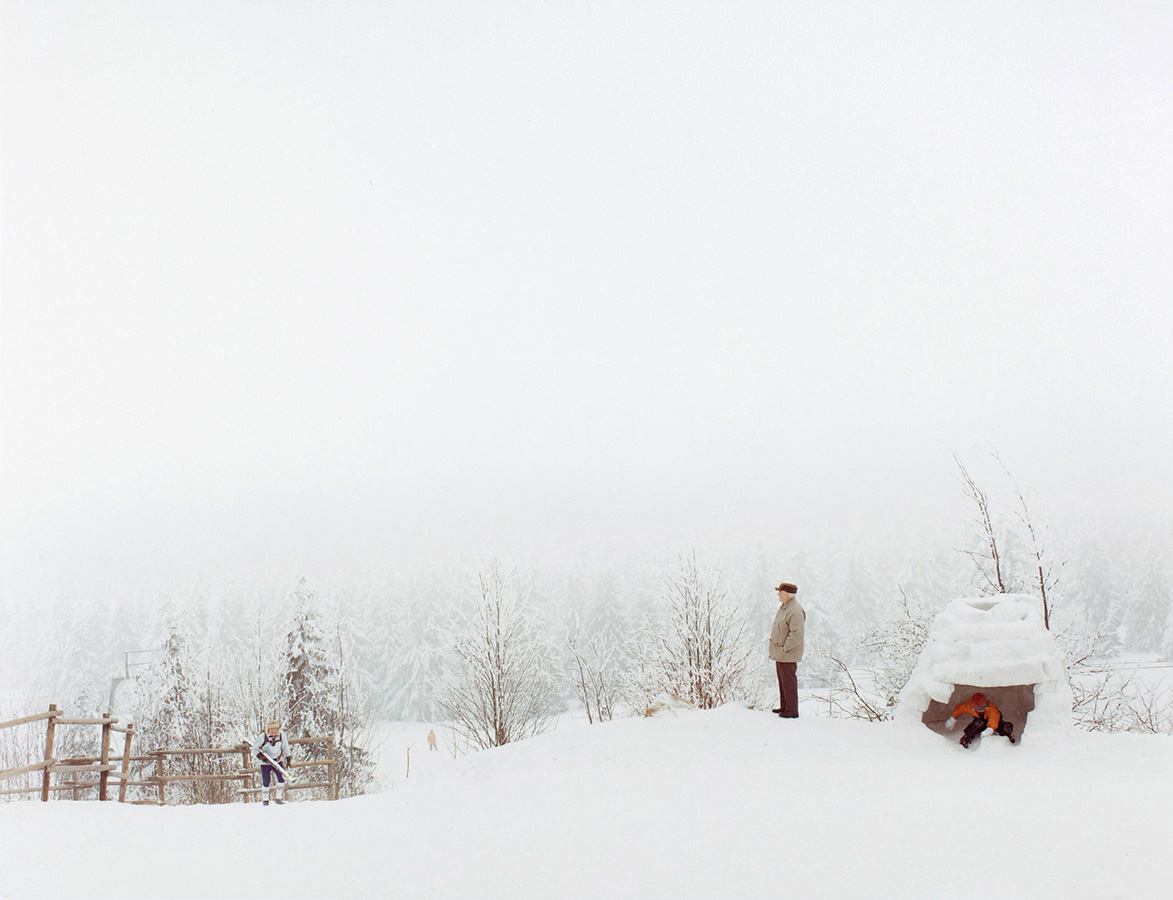
IBA-Terrassen, Niederlausitz C-type print, 40 x 52 cm
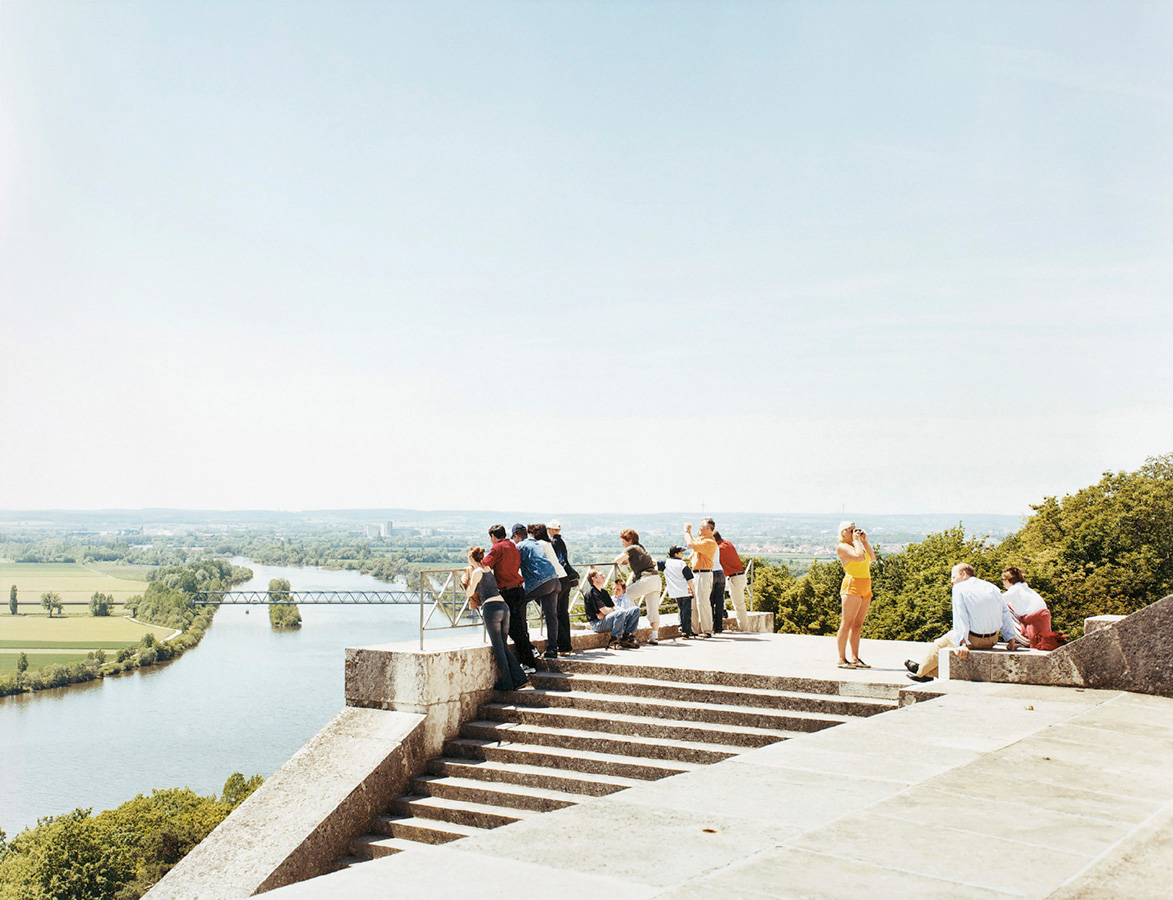
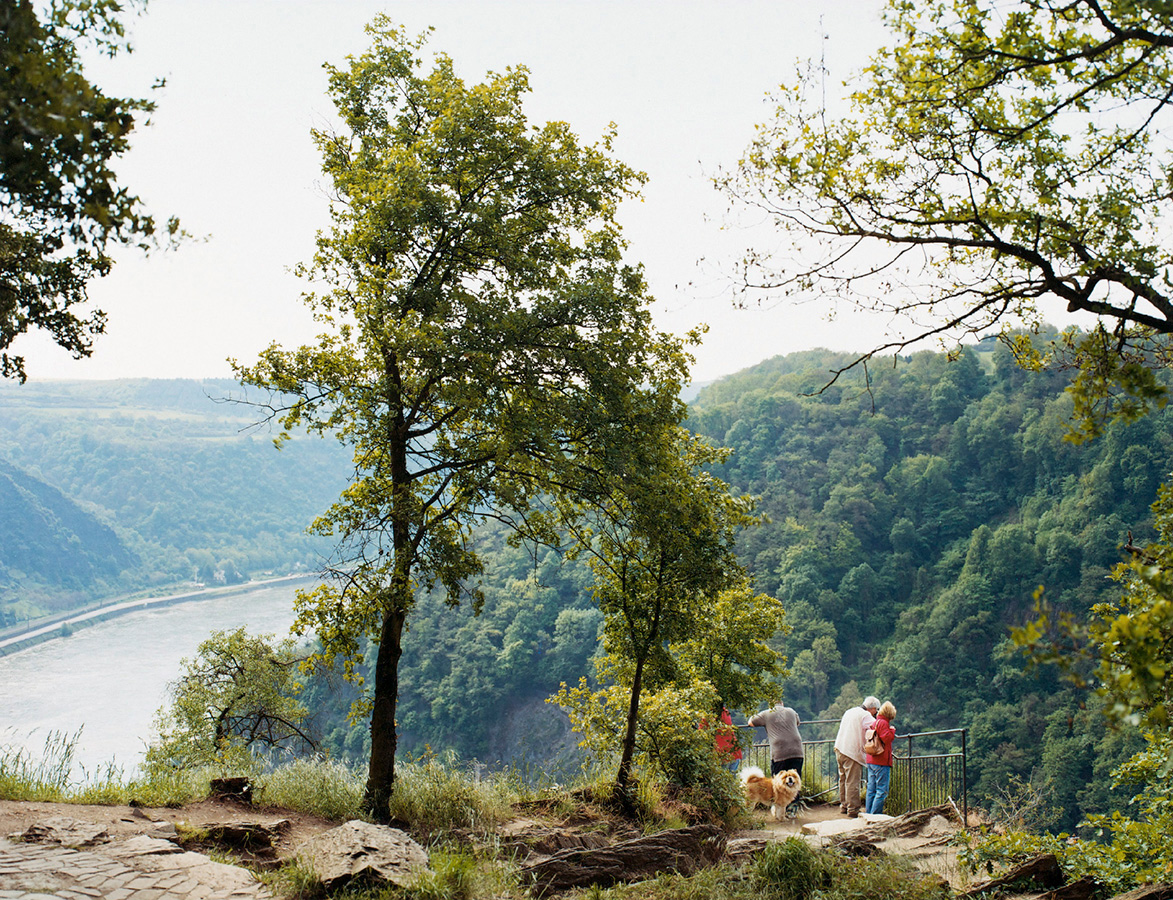
Loreley, Mittelrhein C-type print, 40 x 52 cm
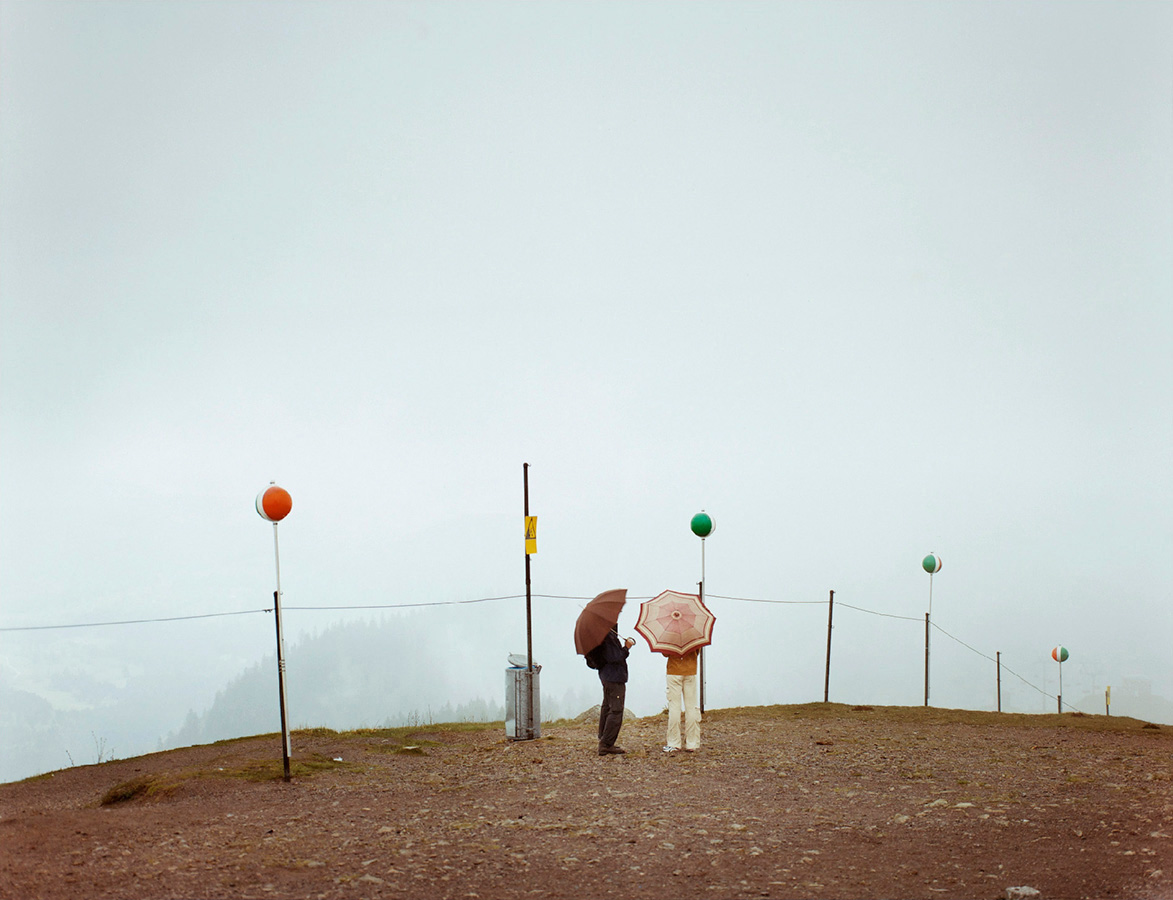
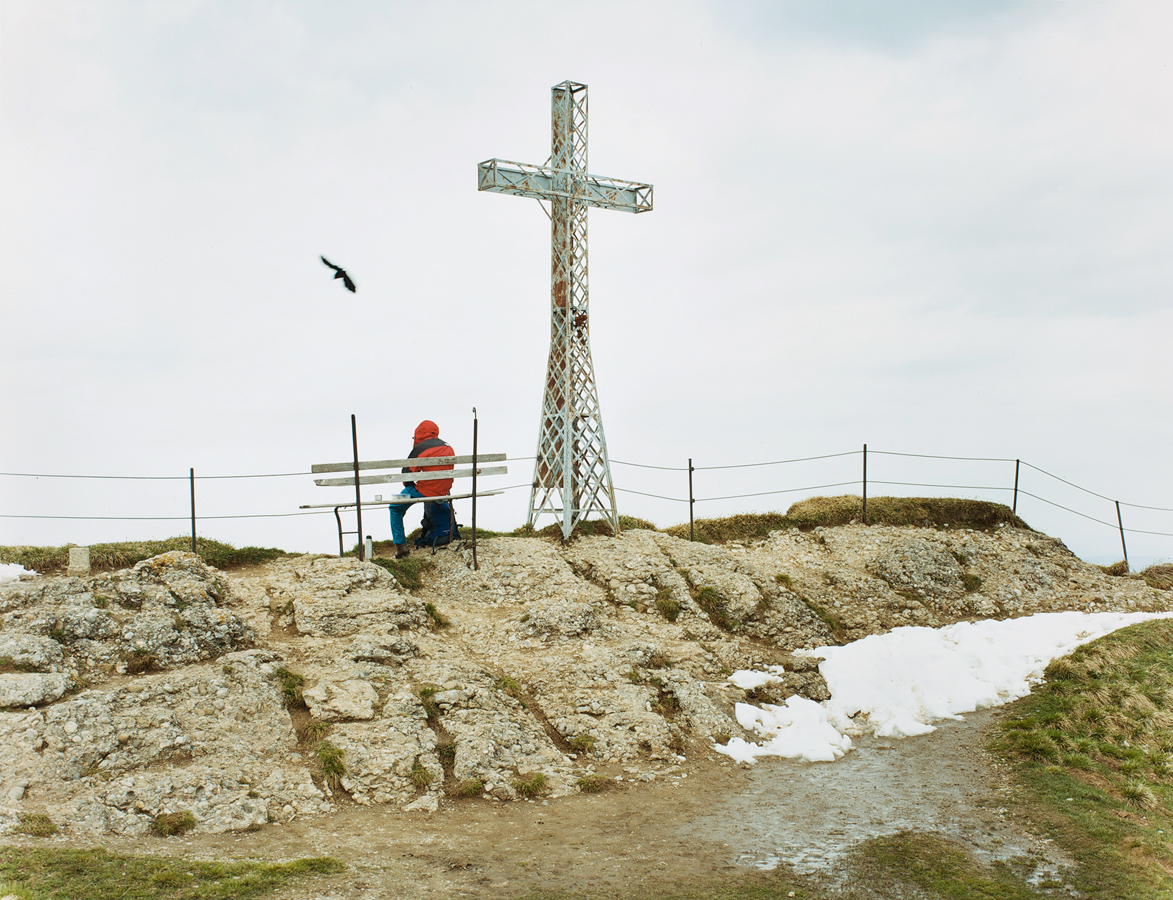
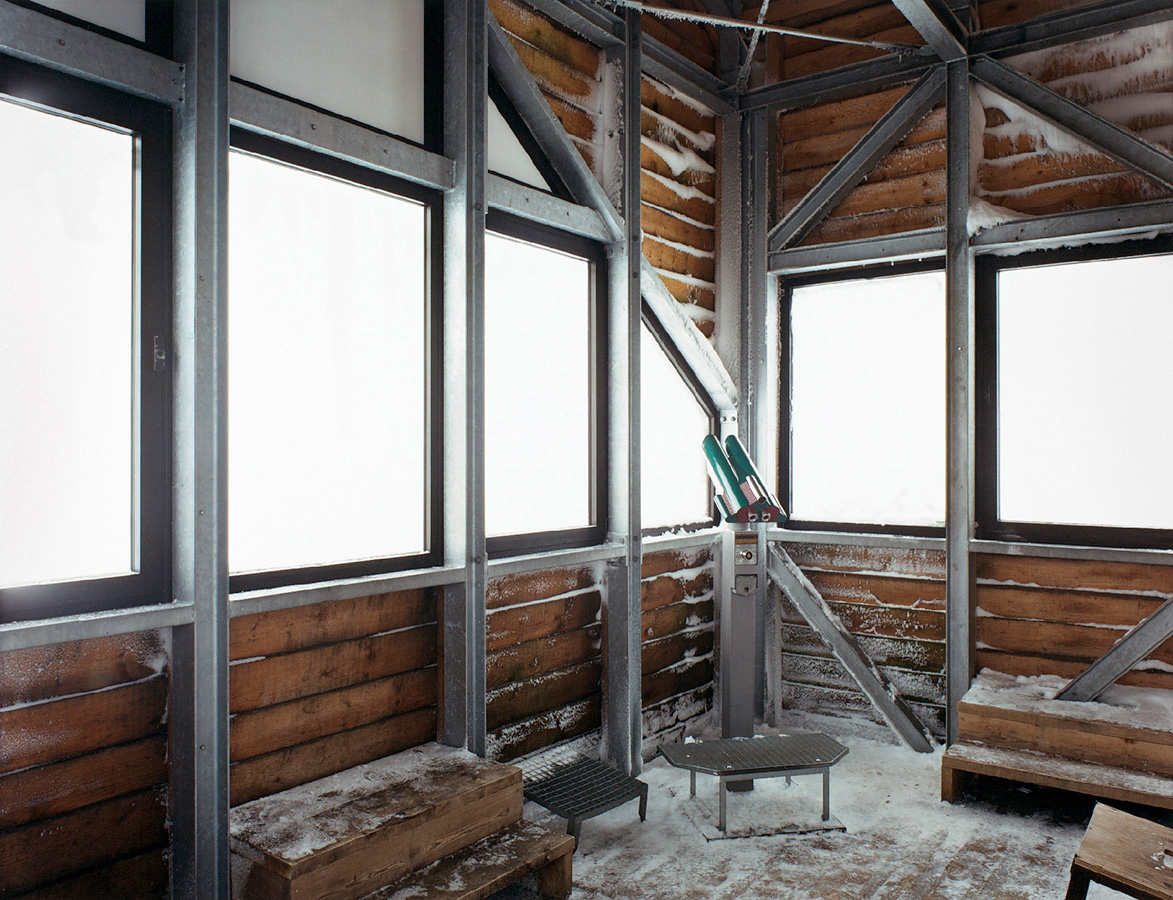
Hochgrat, Allgäu C-type print, 40 x 52 cm
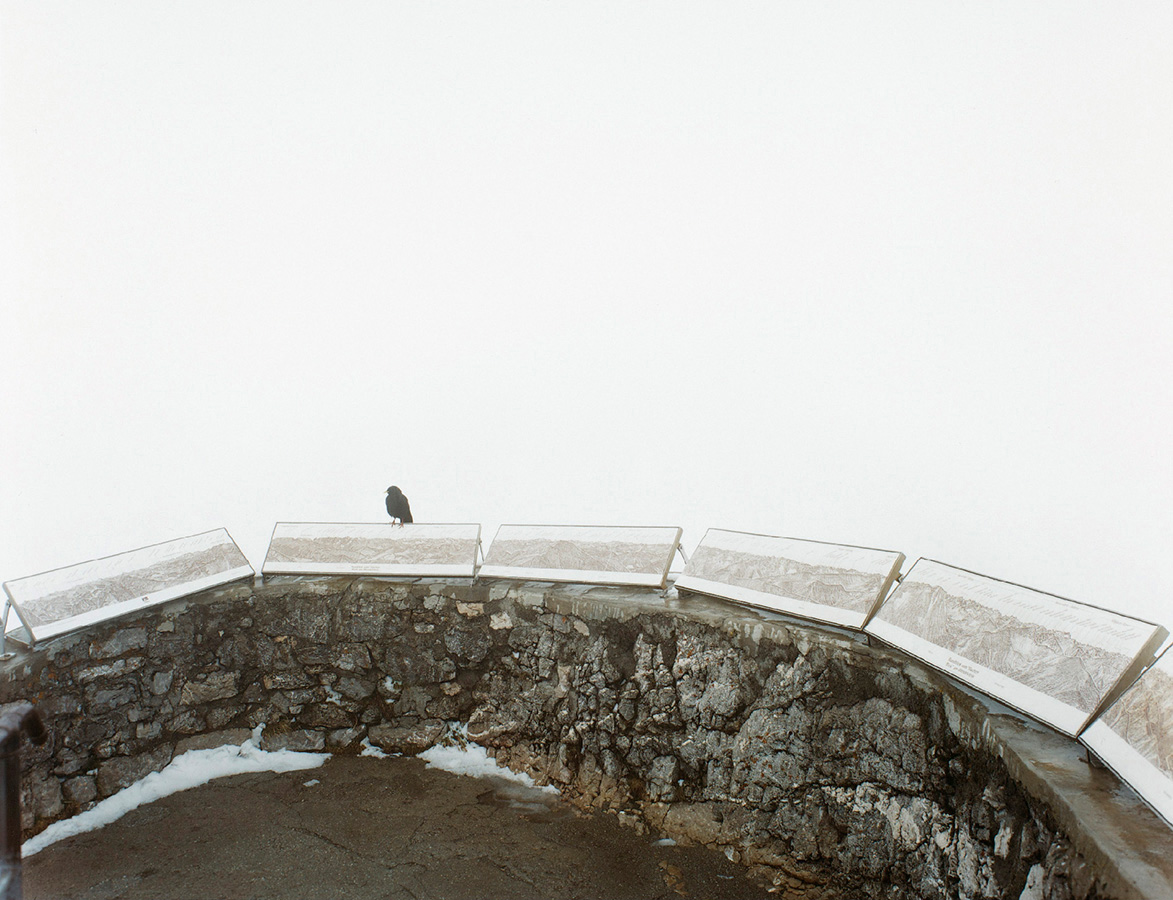
Wendelstein, Bayrische Alpen C-type print, 40 x 52 cm
Gasometer, Oberhausen C-type print, 40 x 52 cm
Wurmberg, Harz C-type print, 40 x 52 cm
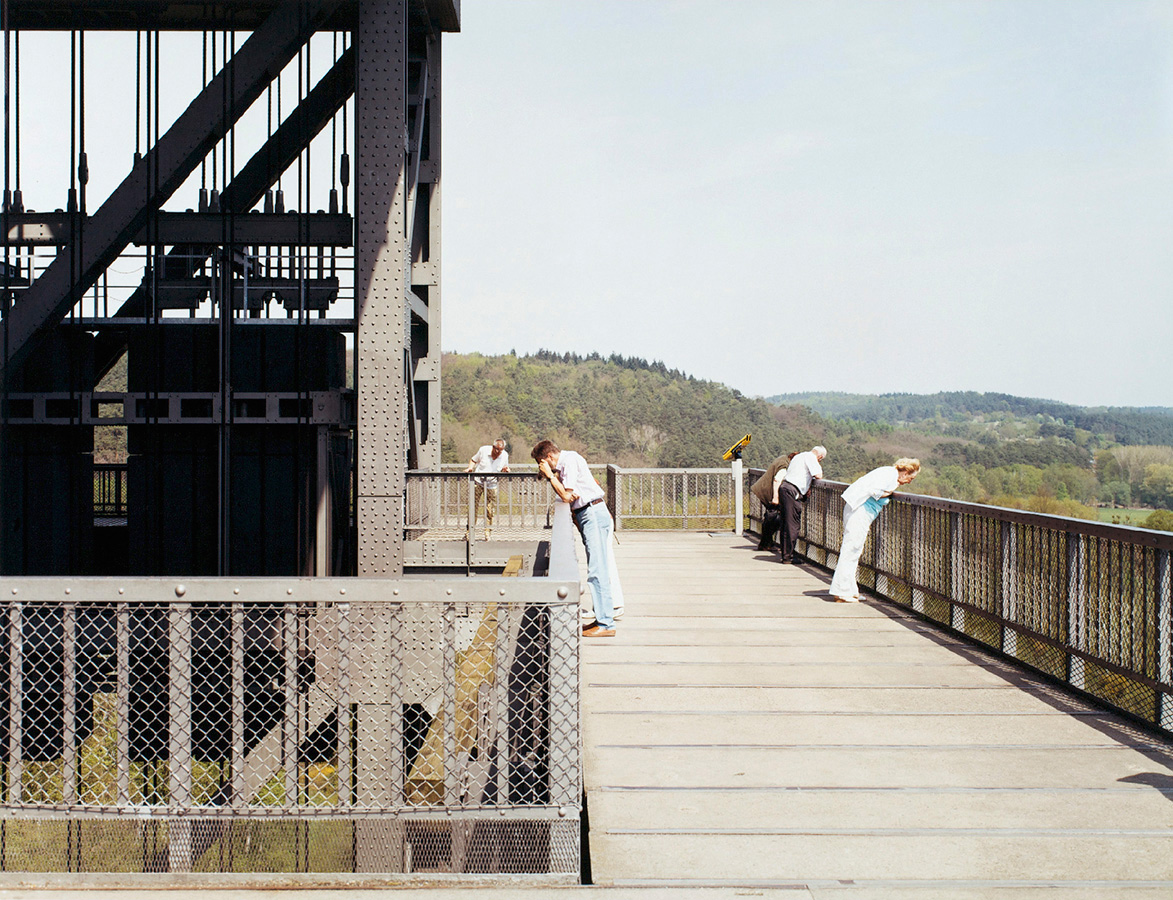
Schiffshebewerk Niederfinow, Oder-Havel-Kanal C-type print, 40 x 52 cm
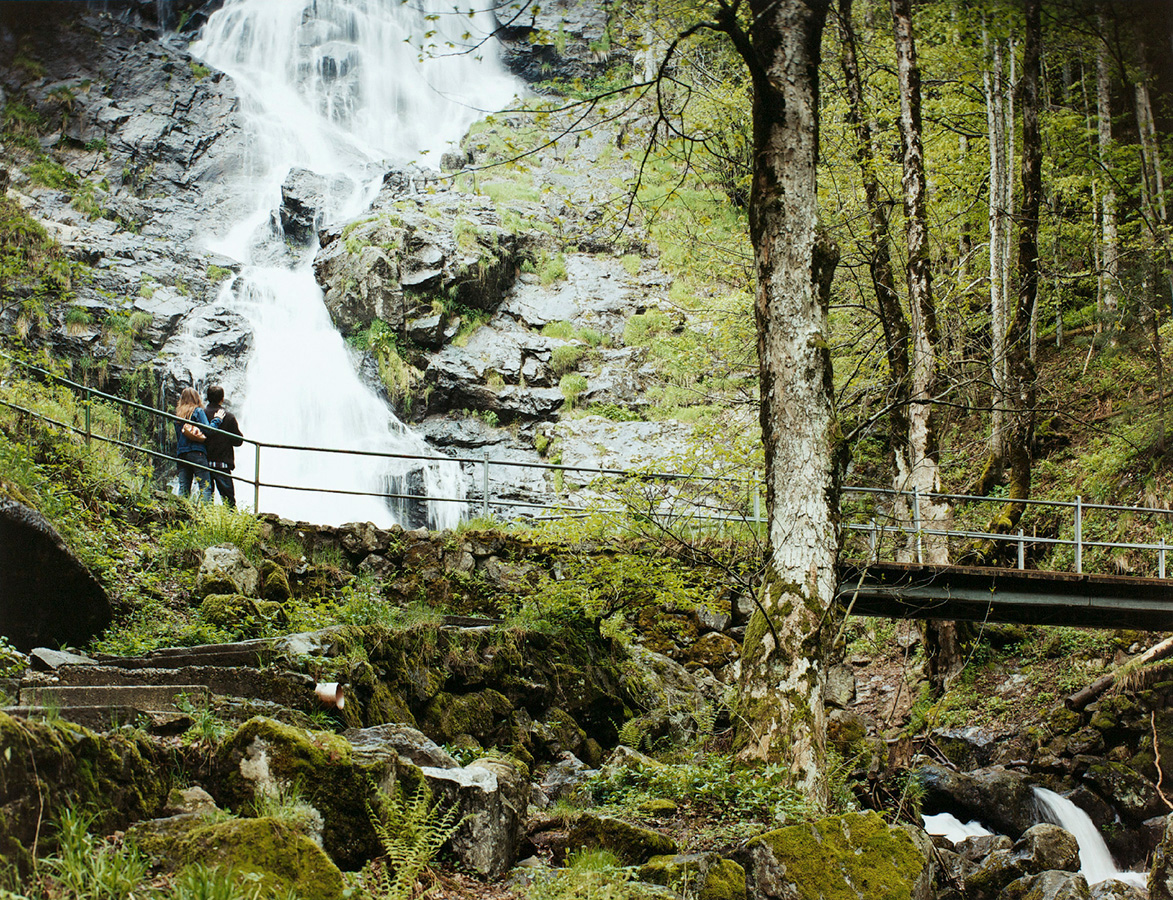
Todtnauer Wasserfall, Schwarzwald C-type print, 40 x 52 cm
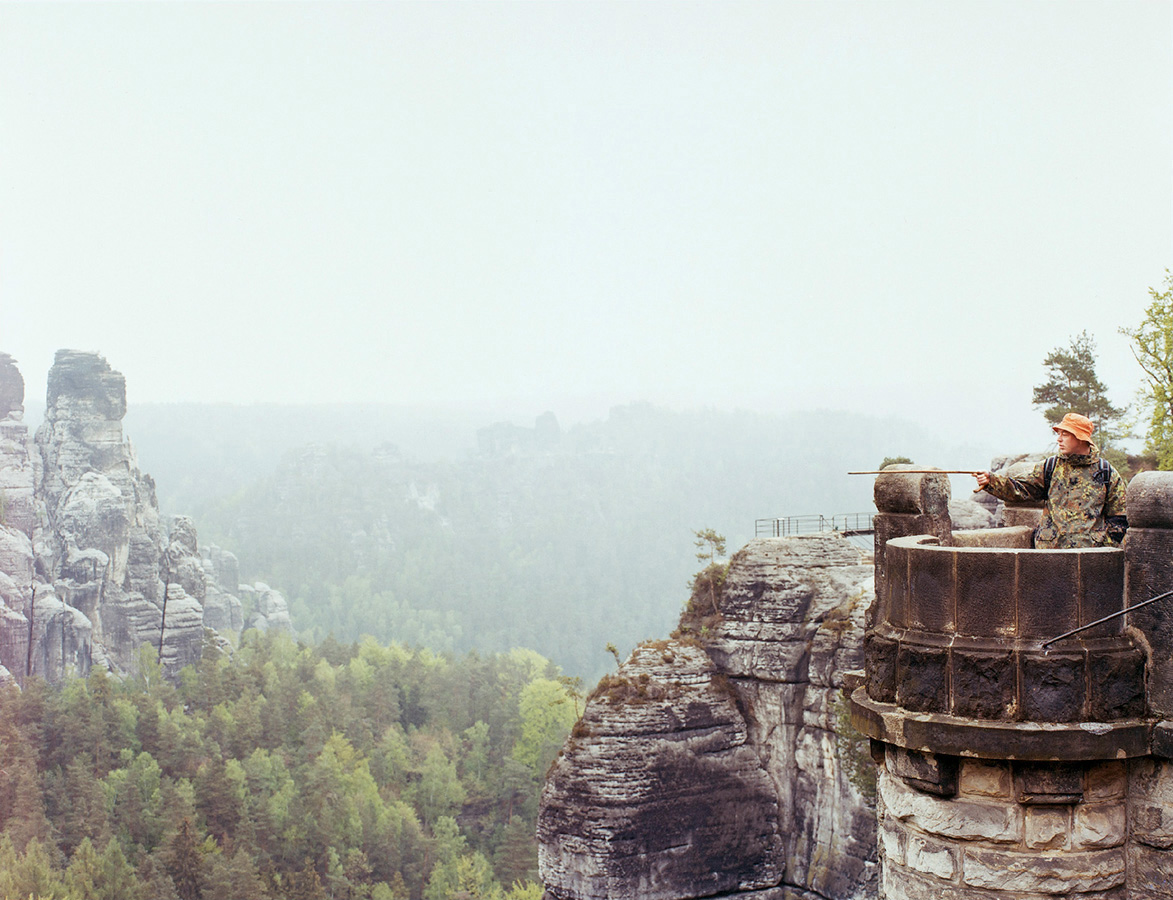
Bastei, Sächsische Schweiz C-type print, 40 x 52 cm
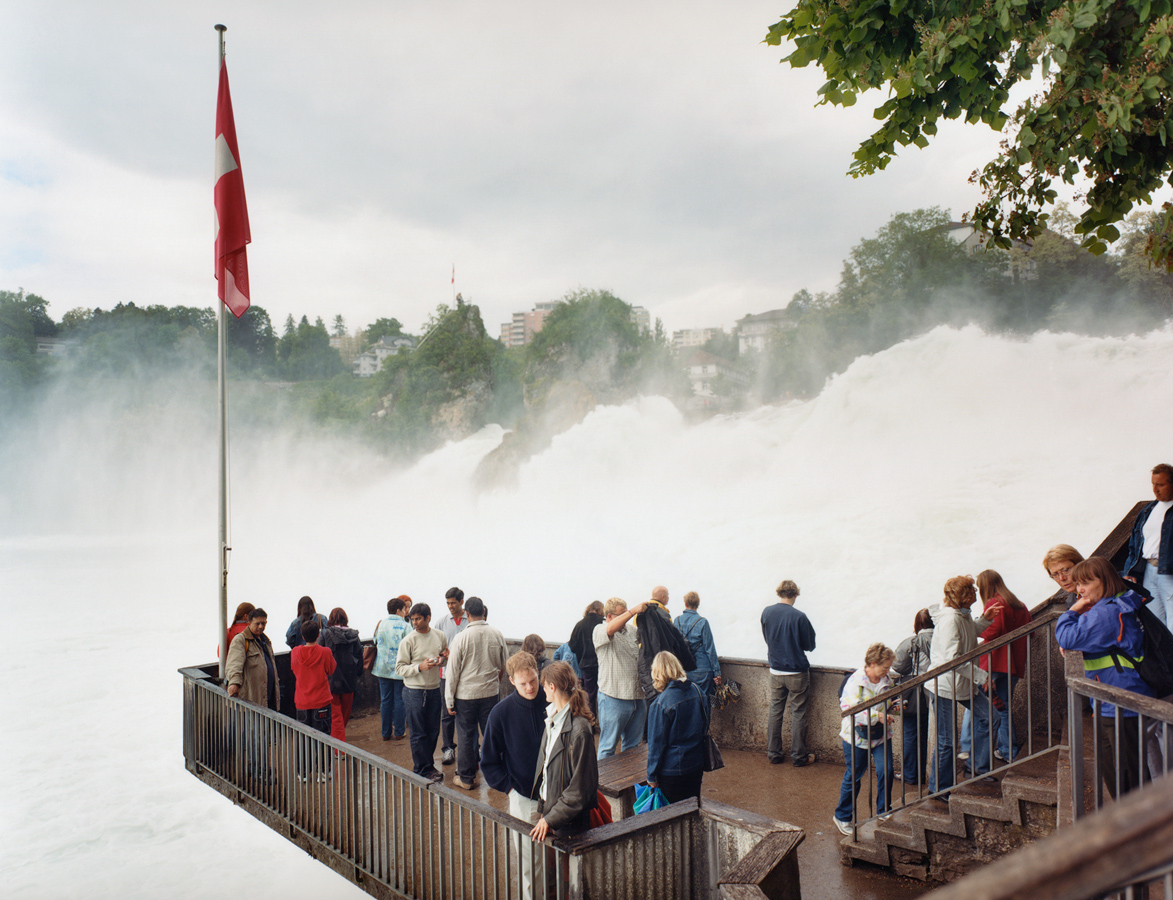
Rheinfall, Schaffhausen C-type print, 40 x 52 cm
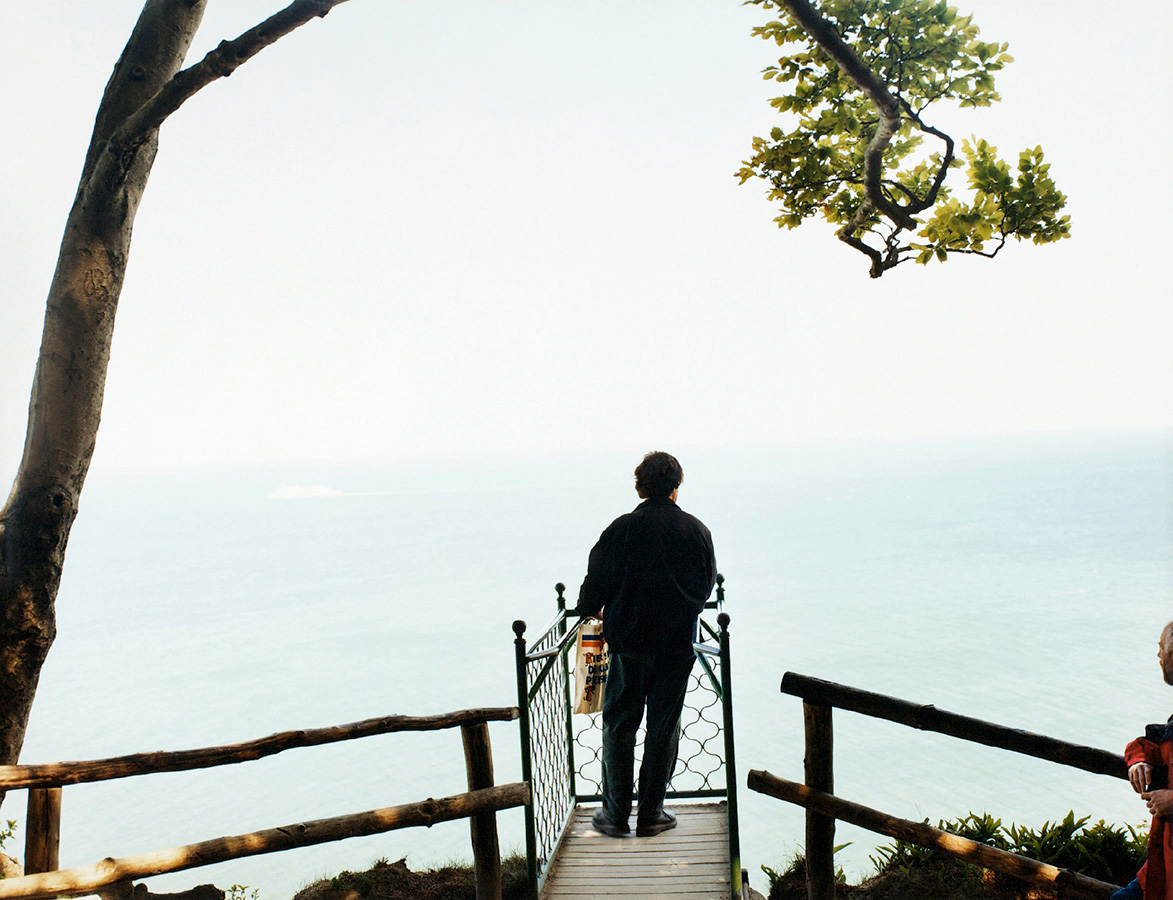
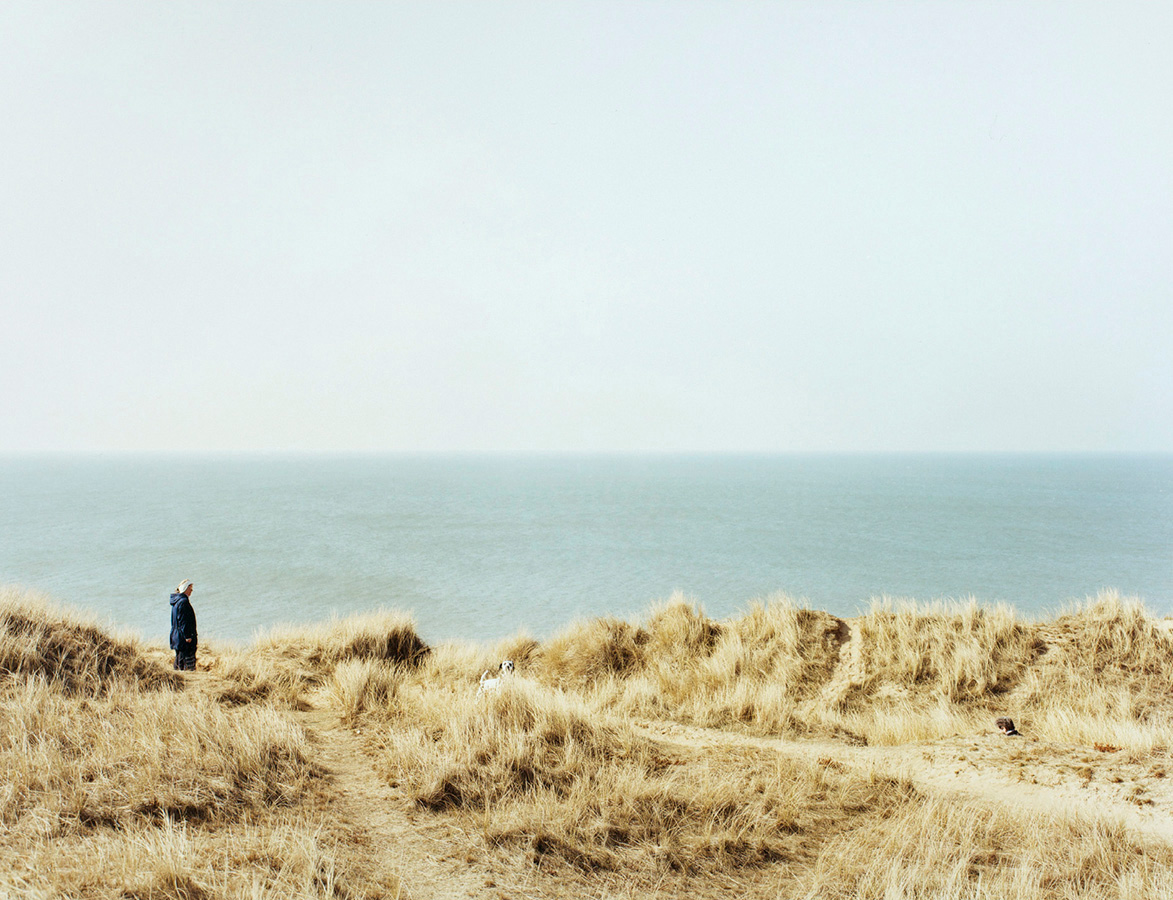
Rotes Kliff, Sylt C-type print, 40 x 52 cm
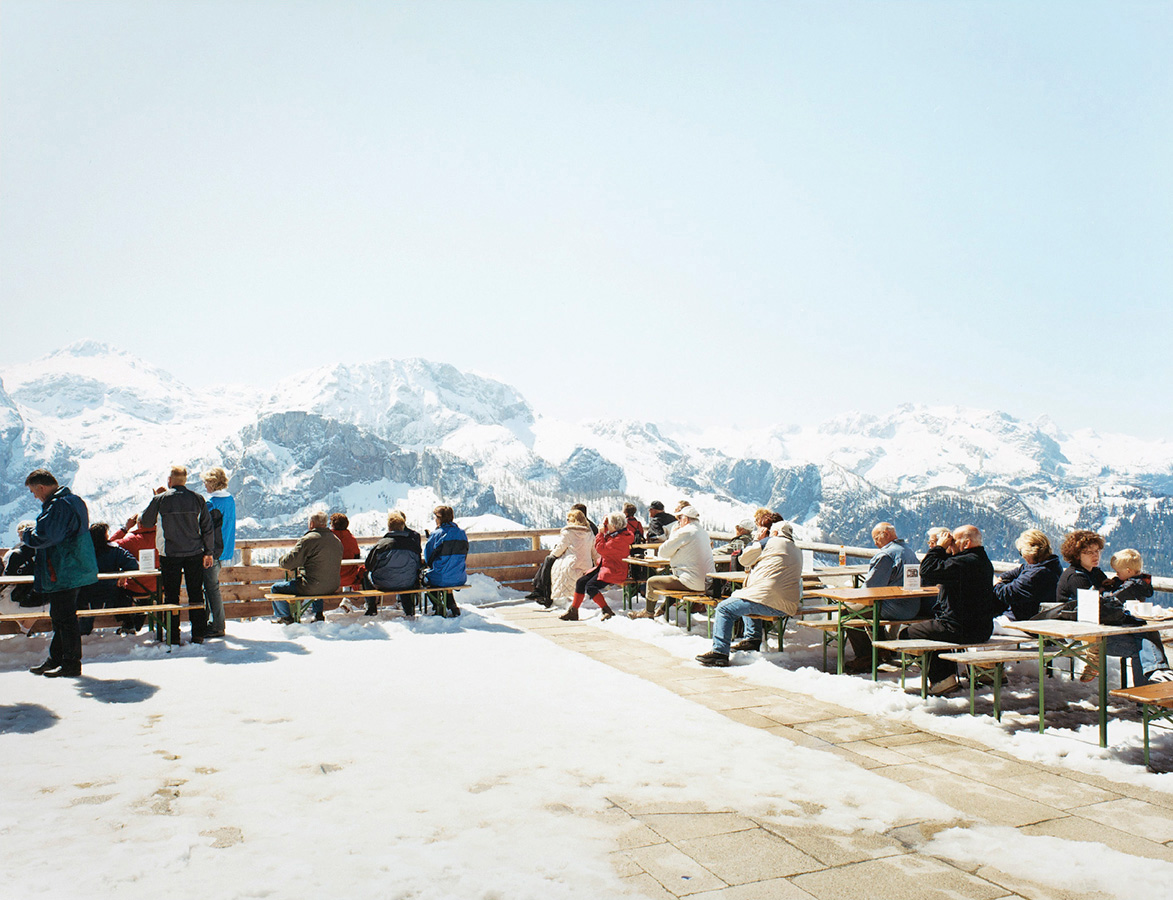
Jenner, Berchtesgadener Alpen C-type print, 40 x 52 cm
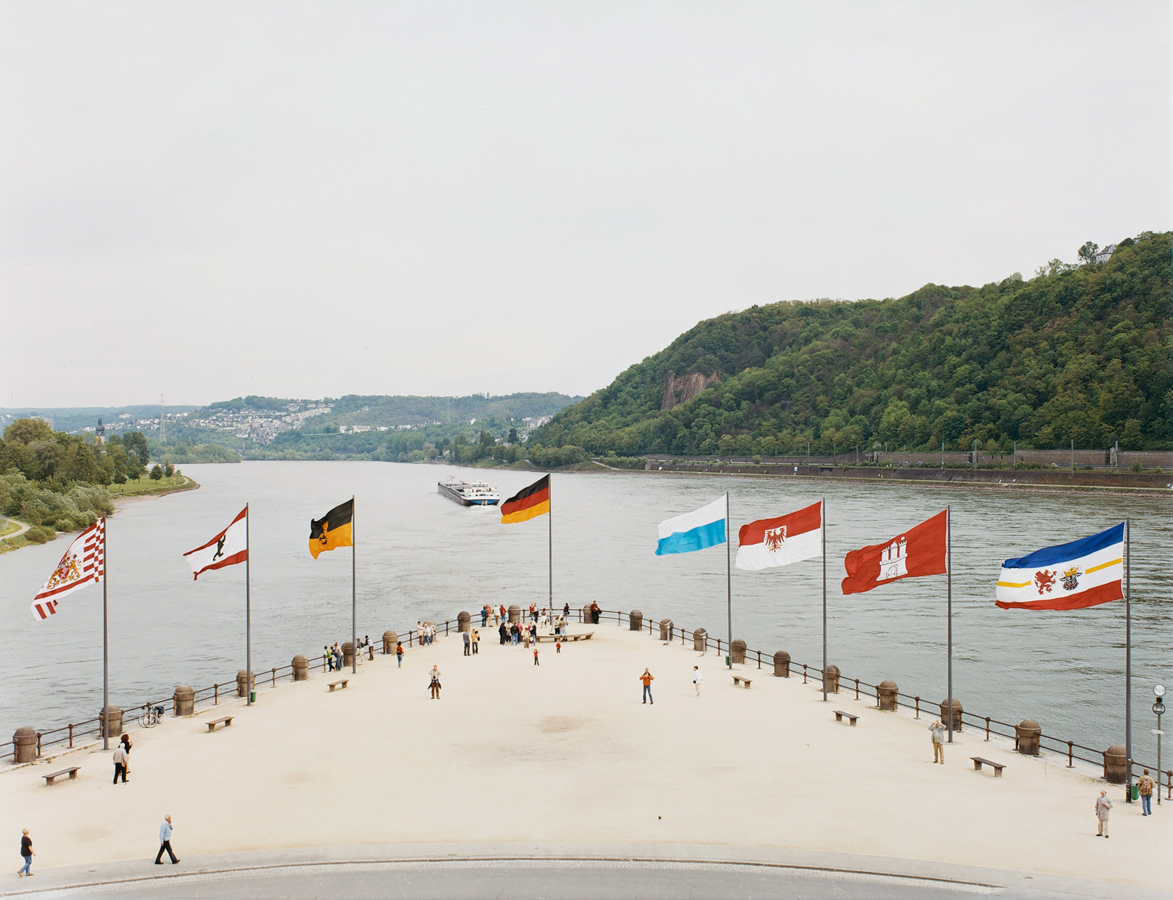
Deutsches Eck, Koblenz C-type print, 40 x 52 cm
Felsenburg Neurathen, Sächsische Schweiz C-type print, 40 x 52 cm
Torfhaus, Harz C-type print, 40 x 52 cm
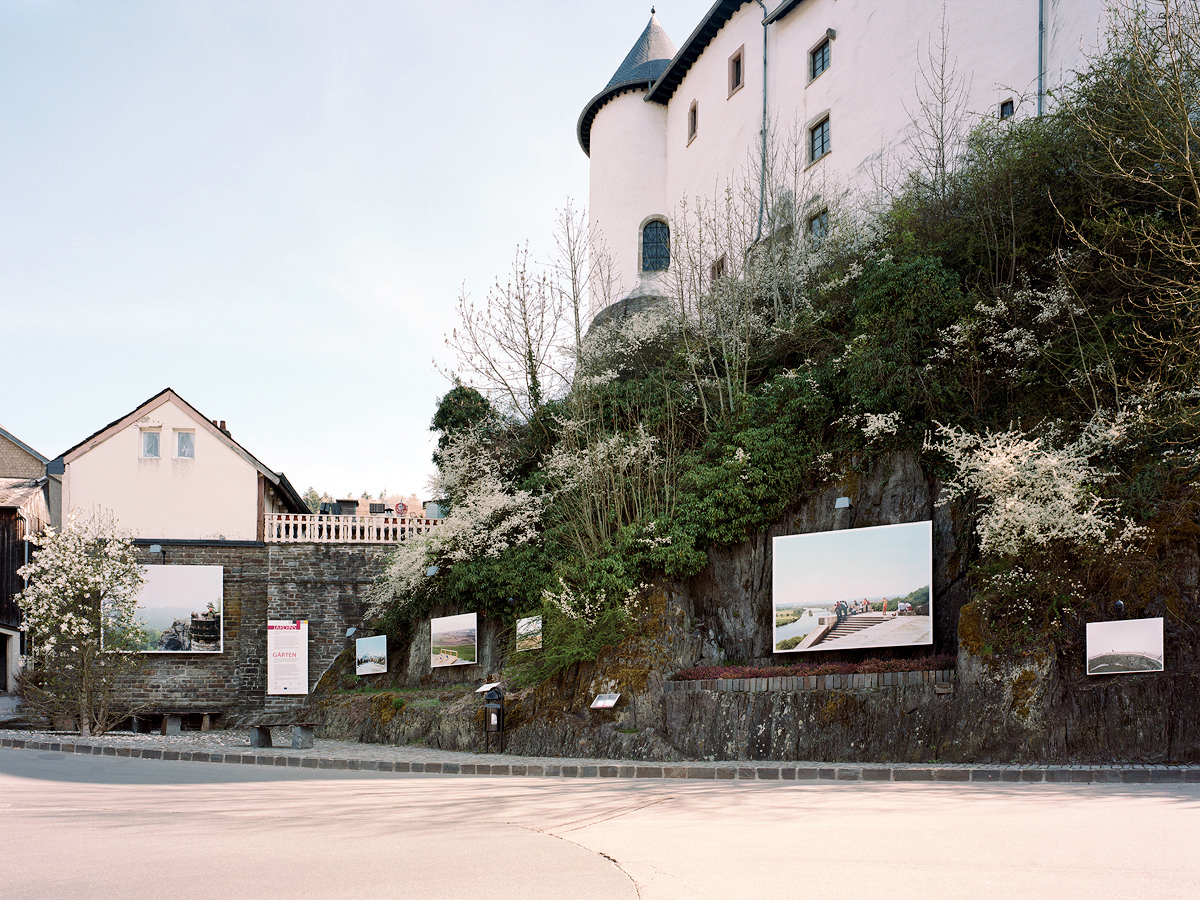
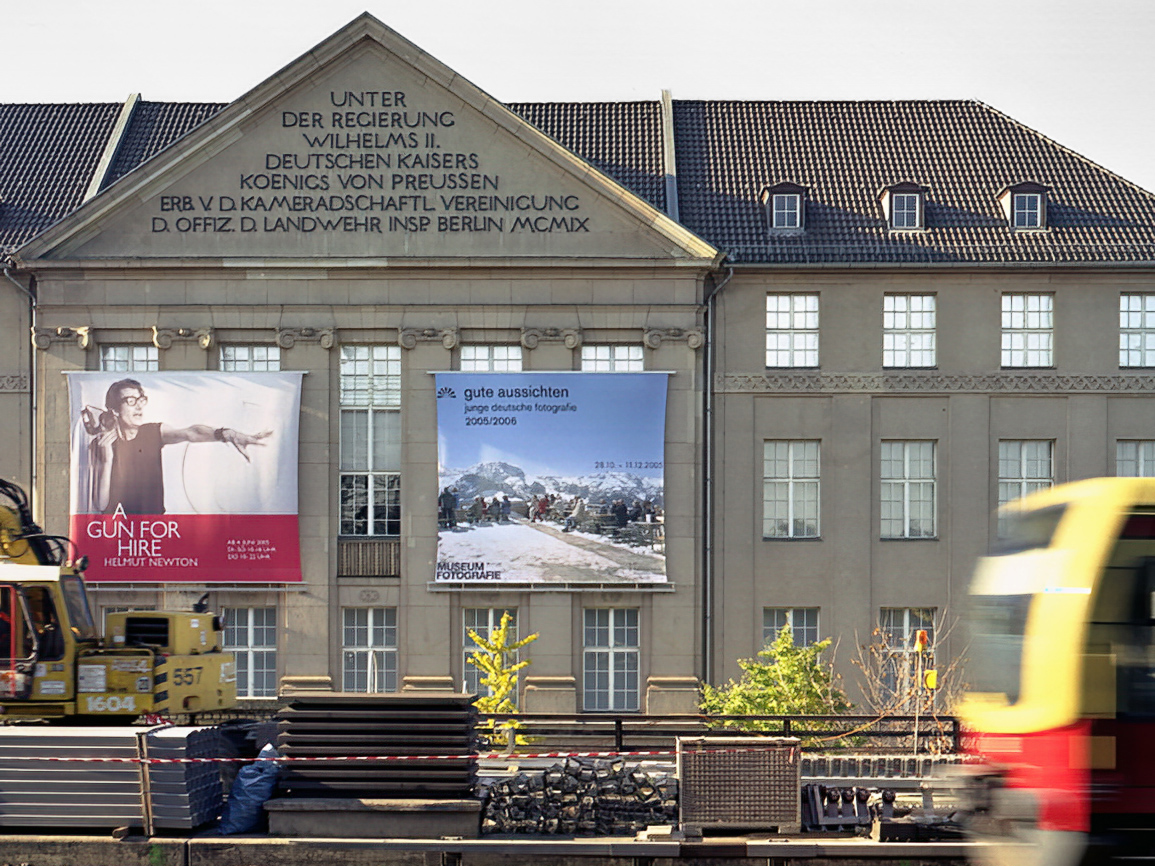
Schauinsland (Behold the Land), 2004/05
Text by Josefine Raab, 2005
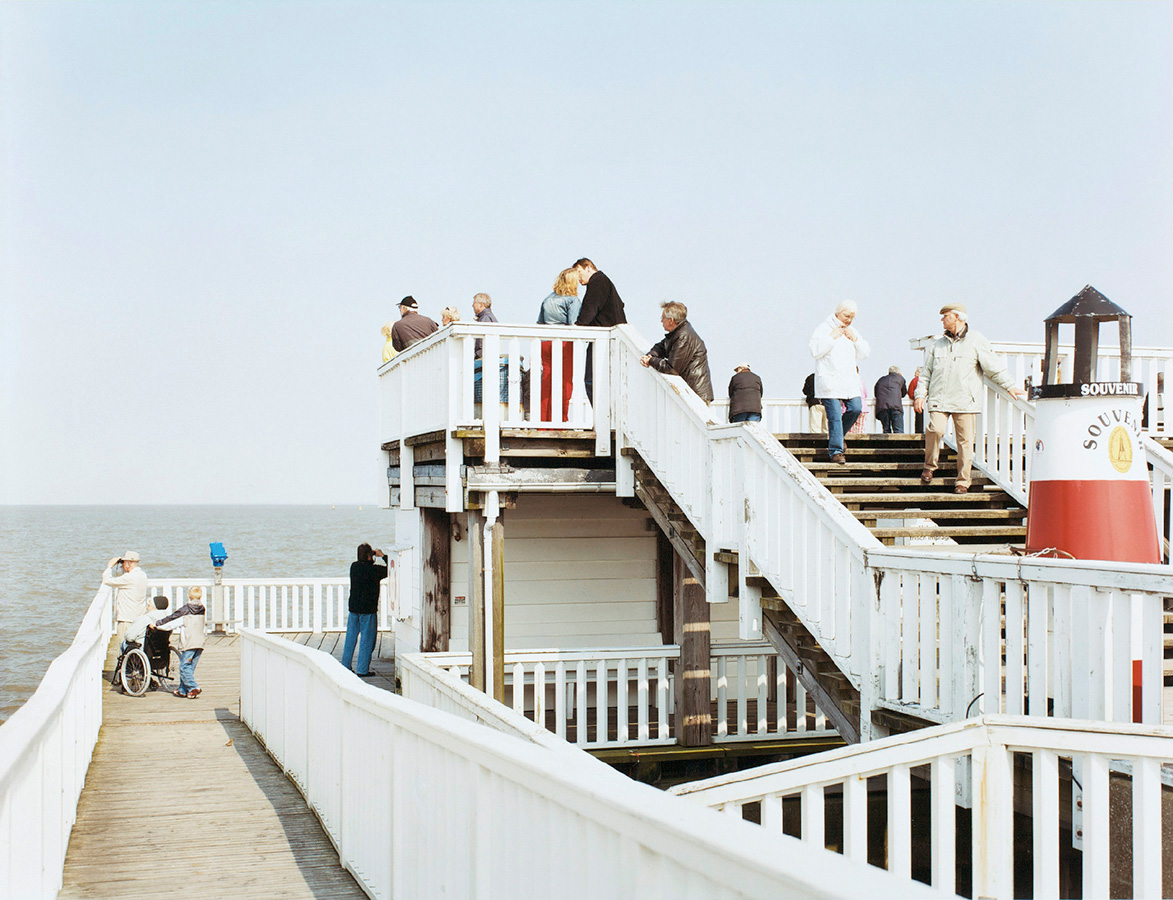
The depiction of landscape in art has had a varied and checkered history, which always sheds light on a society's perception of nature. The avant-garde artists of the post-war era despised the often misused cliché and sentimental images of German landscapes. However, there are now signs of a cautious renaissance of this genre, particularly in photography. Nevertheless, artistic responses of an emotional and subjective nature remain far less common than strategies that seek to approach this subject using the methods of cultural sociology or ironic aloofness. The subjective sense of the disappearance of 'unspoilt' nature predominates in a culture in which the experience of landscape and of nature mainly takes the form of outdoor activities supported by industry. The equally strong and increasing need for authentic and interesting nature is concentrated in certain locations thanks to the skillful strategies of the tourism industry. Dotted throughout the whole of Germany are vantage points, popular destinations from which tourists can enjoy panoramic views and long vistas. Henning Rogge has singled out some of these for special attention in his series 'Schauinsland' (Behold the Landscape). Rogge's tour took him to some widely differing locations, all of which are listed in quality travel guides. They range from spectacular natural formations such as the 'Rotes Kliff' (Red Cliff) on Sylt, which seafarers have used as a landmark for hundreds of years, to the 'Victoriasicht' (Victoria View) on the Island of Rügen, where an iron platform affords a breathtaking view of the 'Königstuhl', a chalk cliff that soars to a height of 119 metres. Then there is the legendary 'Loreley' in the midst of the Rhine, the site of the Witches' Sabbath in the Harz Mountains, the 'Deutsches Eck' in Coblenz, where since reunification the flags of all federal states have flown, and the Gasometer in Oberhausen, which is exactly 117.5 metres high and offers a superb panoramic view, even though it is encircled with protective fencing. Finally, the IBA terraces in Niederlausitz, where the largest landscape building site in Europe will be on display until 2010. However, those expecting spectacular views will be disappointed. Henning Rogge's shots for the most part do not reveal the landscape viewed from these locations. Instead he focuses on the lookout point itself. What the observer hoped to glimpse from this prominent place remains in the distance. By contrast, Henning Rogge produces a sociological sequence in which we as beholders become the observers of the beholders and of their behavior. The camera captures the scene but remains in the distance. This is the conception that informs 'Schauinsland' – a phenomenological study of places in which culturally motivated and socially immanent actions take place. But our voyeuristic curiosity is not satisfied and we are not permitted to become emotionally involved in the experience. The only solution is to go there ourselves.